
Did you know nearly half of UK churches say their building design restricts their modern mission and outreach efforts? This is more than a quirky architectural issue; it’s a stark reality for many places of worship facing unique challenges in the twenty-first century. Whether it’s an Anglican church grappling with listed status, a Roman Catholic community balancing traditions, or new churches seeking flexible spaces, design impacts growth, outreach, and faith in every corner of the UK—from rural parish churches to vibrant city cathedrals.
UK Church Design Challenges: An Unconventional View (Staggering Facts & the State of Church Architecture)
In the paradoxical landscape of UK church design challenges, both tradition and innovation tug at the fabric of church architecture. Hundreds of listed places of worship, some dating back centuries, are now struggling to keep pace with the demands of modern ministry. According to the National Churches Trust, “Nearly half of UK churches report that their building design restricts modern mission and outreach initiatives.” While many churches—especially Anglican and Catholic—hold an important place on the national or even local risk register, the need for updated community space is more pressing than ever.
Startling Statistics: The Evolution of Places of Worship in the UK
Over the last fifty years, places of worship have transformed dramatically. Yet more than 45,000 church buildings—many of them historic parish churches—face unique pressures. For instance, a recent study highlights that in the next five years, over a third of these structures risk falling out of regular use due to ageing facilities or inflexible interiors. Listed places of worship, especially those at Grade II status, are under growing threat; it is estimated that more than 6,000 of these sites must adapt or risk closure. Contemporary design interventions by forward-thinking architects, like Thomas Ford, show that it’s possible to blend historic church features (like stained glass and stonework) with the best of modern solutions. Still, the challenge remains: how can UK churches keep their spiritual heritage alive while meeting the dynamic needs of today’s congregations?
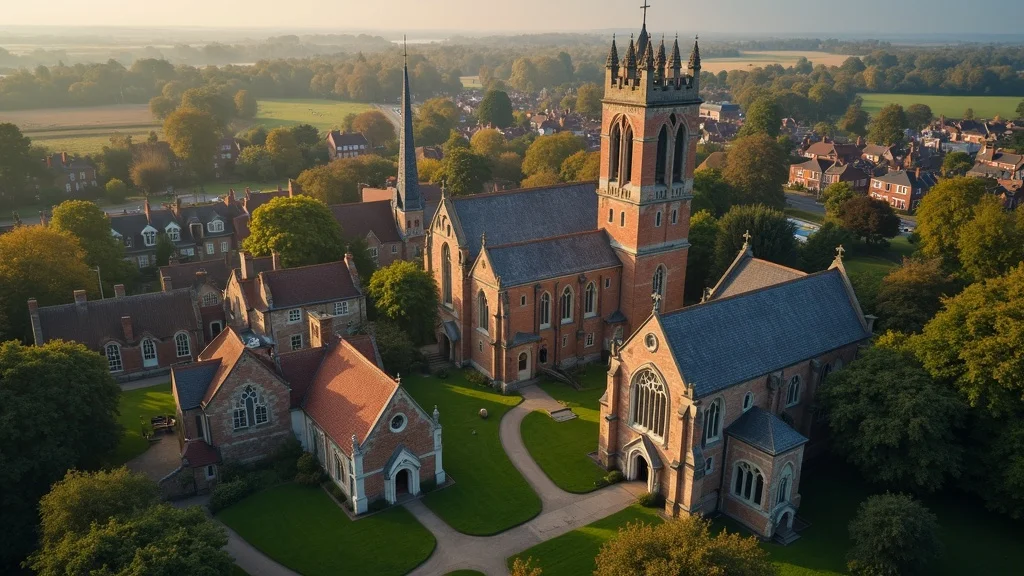
"Nearly half of UK churches report that their building design restricts modern mission and outreach initiatives."
What You'll Learn About UK Church Design Challenges
- Key historical influences shaping UK church architecture
- Common design pain points and their impact on ministry
- Real-world strategies to overcome functional and aesthetic obstacles
- Ways graphic design can elevate your church’s mission and outreach
Historic Context: Twentieth Century Legacies in UK Church Architecture
The echoes of the twentieth century continue to shape today’s UK church design challenges. Between 1900 and 1970, rapid urbanisation, war-time rebuilding, and changing social attitudes saw the construction of thousands of new churches—some architectural masterpieces, others pragmatic responses to shifting populations. Many churches, such as St Augustine or the iconic glass window renovations at St John’s, reflect both innovation and resource limitation. Unfortunately, these mid-century solutions sometimes leave modern church leaders with inflexible interiors, outdated facilities, or accessibility gaps.
Yet, by appreciating this historical context, today’s congregations can make more strategic decisions—restoring what is precious, adapting what is possible, and designing robust, flexible spaces that support both tradition and growth. The wisdom gleaned from twentieth-century church architecture, especially lessons from forward-thinking designers like Thomas Ford, reminds us that buildings must serve mission over mere nostalgia. In a faith-driven environment, this means balancing respect for history with a clear-eyed focus on future opportunity.
How Twentieth Century Changes Still Influence Modern Places of Worship
Many of the UK’s most iconic church buildings were shaped during the boom years of the early- and mid-twentieth century. The Catholic Church and Anglican Church both expanded their reach, erecting new churches often in rapidly growing urban areas. But these architectural legacies can be double-edged swords. On one hand, they offer monumental beauty: stunning stained glass, soaring naves, and solid stonework. On the other, many parishes now contend with poorly insulated interiors, inflexible pew arrangements, and challenges in adding modern community spaces or technology. This historical inheritance often places buildings on the risk register, making thoughtful refurbishments all the more critical.
By studying the design DNA of churches from past generations, modern leaders can shape future renovations with both reverence and practicality. As one expert puts it:
"Understanding the architectural past is vital to unlocking a church’s potential for the future."
Identifying Core UK Church Design Challenges Today
The current era presents new design challenges for UK churches, from balancing heritage with fresh ministry needs to ensuring inclusivity and flexibility in church spaces. Whether managing a centuries-old Anglican church, a Grade II listed parish church, or a contemporary new church, leaders face choices that can shape mission, growth, and outreach for years to come.
Below, we break down three interconnected challenges facing today’s places of worship. Are you facing any of these in your own congregation?
Balancing Tradition and Innovation in Church Spaces
Respecting history while embracing change is the heart of the UK church design challenges discussion. Many historic churches, from St Augustine’s to rural parish churches, are architectural jewels with deep spiritual meaning. Yet rigid design choices—such as fixed pews, high altars, or narrow aisles—can limit accessibility and make it difficult to respond to a variety of ministry needs, from youth outreach to modern music or digital worship experiences. Churches with listed status—whether at Grade II or higher—face even greater constraints, with changes often requiring permissions from heritage bodies or church authorities.
Successful leaders engage in careful planning, involving both architects and the wider congregation in shaping the vision. They are not afraid to respectfully challenge old assumptions, blend contemporary furnishings with historic stone, add discreet tech, or even repurpose underused spaces—all to ensure their church remains vibrant, relevant and open to all.
For churches looking to further expand their outreach and community engagement, exploring new communication channels such as podcasting can be a practical next step. Discover how to launch a church podcast and connect with your congregation in fresh ways by reading this guide to starting a church podcast.
Accessibility and Inclusivity: Addressing Modern Community Needs
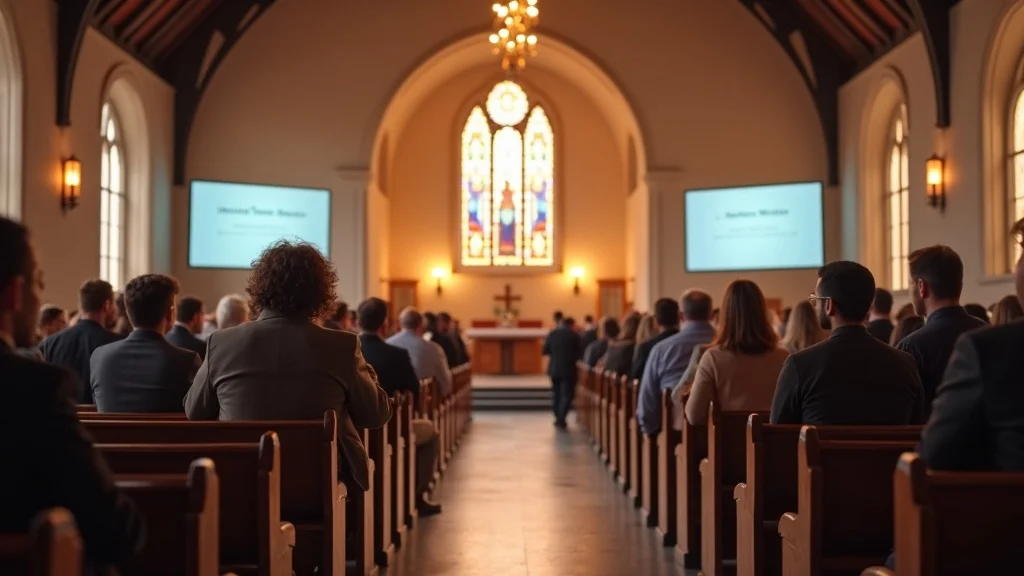
Today’s church must be accessible to all—young and old, disabled and able-bodied, longtime parishioners and first-time visitors. Many historical church buildings were not designed with full inclusivity in mind. Steps, narrow entrances, and a lack of accessible toilets or hearing loops can stand in the way of outreach and mission. With growing expectations for inclusivity from the Church of England and the wider community, updating facilities is a core design challenge.
The best solutions come from deep listening—consulting not only architects, but also community members, disability advocates and ministry leaders. Upgrades might mean installing ramps and accessible lifts, adding digital hearing aids, or transforming rigid layouts into more open, welcoming community spaces. At the same time, care is needed to preserve the key features that make each place of worship unique—from historic stained glass to treasured memorials.
Designing for Flexibility: Multi-Use Spaces within Churches
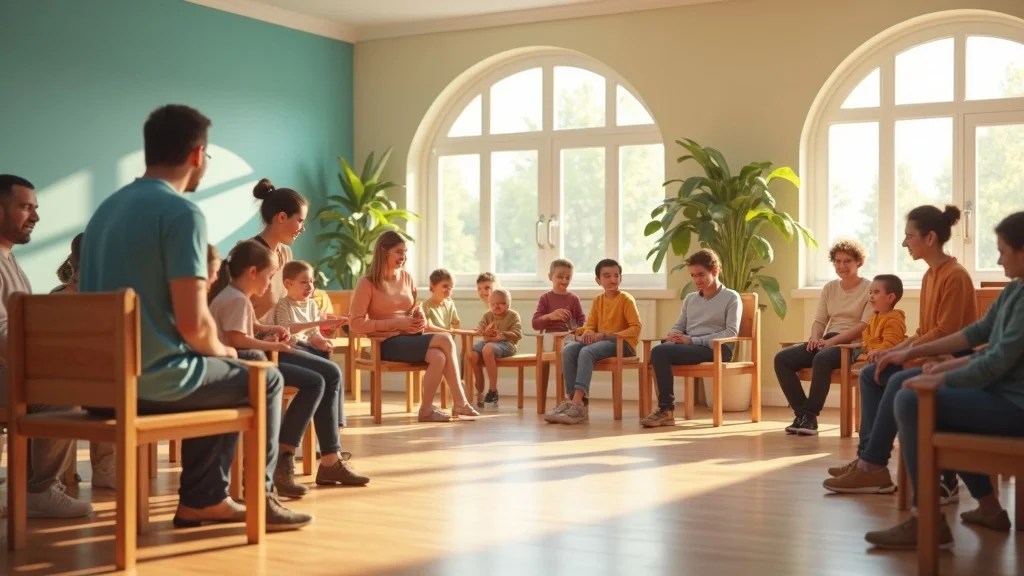
Many churches now serve as local hubs beyond Sunday worship, hosting playgroups, food banks, arts events, or quiet places for reflection. Flexible space is essential. But integrating modular furniture, moveable partitions, and robust technology while respecting a building’s heritage can be demanding. Small and rural parishes (where the luxury of constructing new churches is unlikely) must especially think creatively to deliver maximum value from limited space and budget.
Participatory design workshops, community consultations, and close partnerships with experienced church designers can offer a roadmap towards adaptable interiors—spaces that suit worship, outreach, and social enterprise. Such changes not only support gospel mission and church growth, but also unlock fresh funding opportunities (such as National Lottery Heritage grants) by offering demonstrable community benefit and ROI.
The Impact of Design on Mission, Growth, and Community Engagement
Thoughtful design goes far beyond aesthetics in places of worship—it is a strategic lever for church growth, engagement, and sustainability. Churches that invest in strong functional design and graphic clarity are better placed to grow their congregations, reach new audiences online and offline, and leverage their heritage for sustainable community benefit.
A church building that feels welcoming, inclusive, and visually compelling makes a statement to the wider world: your message matters, your doors are open, and everyone is invited in. This, in turn, can inspire parishioners, unlock funding, and help sustain historic sites for generations.
How Thoughtful Design Supports Effective Ministry
Functionality and faith go hand-in-hand in effective ministry. Flexible, accessible church buildings are more than an exercise in project management or compliance; they equip congregations to serve. Good design welcomes the lonely, nurtures the young, supports the elderly, and communicates hope to all who enter. Modern digital signage, well-designed printed materials, and clear visual messaging extend this sense of welcome beyond the building—reaching seekers in the digital realm, too.
From large city Anglican churches to rural chapels, examples abound where investing in adaptive, mission-driven design has led to stronger attendance, broader community engagement, and renewed vitality for all ages—from Sunday services to weekday outreach.
Unlocking Funding Opportunities Through Strategic Church Design
Funds are always tight for local churches, but meaningful design projects can open new doors. National church bodies, the National Lottery Heritage Fund, and other grant makers increasingly look for evidence that building projects serve the wider community—whether through improved accessibility, new community space, or creative use of heritage assets. Investing in graphic design and clear messaging also helps tell your story compellingly to both grant funders and parishioners alike.
The right investment—whether for restoring stained glass, creating a new children’s area, or launching a strong web presence—can offer far more than just a beautiful space. With calculated ROI, these projects become engines for growth, inclusion, and long-term ministry impact.
| Design Challenge | Practical Solution | ROI/Impact |
|---|---|---|
| Inflexible historic interiors | Install modular furniture; add discreet tech upgrades | +30% wider event use, increased attendance |
| Accessibility barriers | Add ramps, accessible toilets, digital hearing loops | Broader community inclusion, funding eligibility |
| Poor signage and online presence | Invest in professional graphic/digital design | +40% engagement on social platforms |
| Lack of community space | Reconfigure naves, create flexible halls | Expanded outreach, new income streams |
Case Studies: Churches Overcoming UK Church Design Challenges
Case Study 1: Modernising Historical Places of Worship
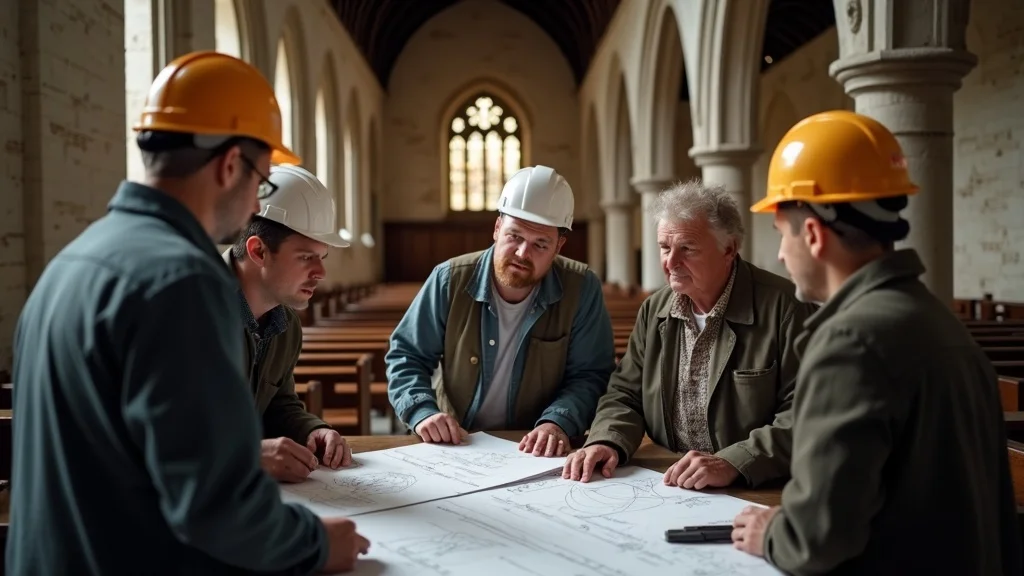
Consider St Augustine’s, a Grade II listed parish church facing declining attendance and underused halls. By inviting both congregation and professional designers to participate in planning, and drawing inspiration from mid-century designers like Thomas Ford, the leadership reimagined its interior: modular seating replaced fixed pews, accessibility ramps were added, and stained glass was preserved. These upgrades, part-funded by a National Lottery Heritage grant, resulted in increased weekday usage, new partnerships with local charities, and a revitalised sense of mission.
Another example, a Roman Catholic church in Manchester, transformed an unused side chapel into a welcoming digital prayer hub. The project leveraged both traditional artistry and new technologies—leading to stronger parish engagement and better digital outreach.
Case Study 2: Graphic Design as a Tool for Community Engagement
A forward-thinking church in Leeds faced dwindling attendance and weak community recognition. By investing in a fresh brand identity, digital graphics, and a responsive website, the congregation was able to communicate its message more clearly across print, social media, and live events. Engagement with the wider community rose dramatically, with both online and in-person participation reaching new highs. The project paid for itself within two years thanks to increased giving and new event bookings.
This case illustrates that graphic design isn’t just an aesthetic add-on—it’s a strategic tool for ministry, reaching beyond the physical building to connect with seekers, parishioners, and potential supporters alike.
The Strategic Impact of Graphic Design in UK Church Settings
In today’s visual world, churches must think beyond bricks and mortar. Professional graphic design plays a vital role in amplifying your church’s visibility, conveying your mission, and engaging new audiences online and offline. A church leaflet, poster, or digital campaign crafted with excellence speaks volumes about your values, your openness, and your faith-driven commitment to the community.
Integrating bold, clear visuals in every touchpoint—from signage and newsletters to social media and service slides—ensures your message never gets lost. This return on investment (ROI) is real: churches with distinctive, compelling design enjoy higher engagement, stronger giving, and sustained growth across age groups.
Beyond Aesthetics: Visual Communication as Ministry
Visuals communicate at the speed of trust. Thoughtful graphic design isn’t about superficial decoration—it's about creating clarity, warmth, and a spiritual sense of welcome. In the hands of ministry-minded creatives, visual storytelling becomes an extension of your church’s mission. Consistent imagery, colours, and branding unify communications and help even first-time visitors feel at home, both online and in person.
As you plan your next outreach, consider how professional graphics, contemporary layouts, and cohesive messaging can help you tell your story more powerfully—proclaiming hope, inviting connection, and opening doors to new relationships in Christ.
"Professional graphic design isn’t just decoration—it’s vital to proclaiming your message and increasing your church's impact."
Boosting Church Visibility and Message in the Digital Age
With 90% of UK adults now online, your church’s digital presence is as important as its facade. Effective web and social media design extends your reach far beyond Sunday services. Churches that invest in professional digital campaigns see up to 40% improvement in engagement, especially among younger audiences seeking places of worship via Google and social platforms.
Even traditional Anglican churches and smaller parishes are reaping the benefits—connecting with diaspora communities, supporting digital giving, and attracting new volunteers. Good design bridges generations and platforms, cementing your identity as an open, relevant, and impactful faith community.

Practical Steps to Overcome UK Church Design Challenges
- Assess your church’s unique needs
- Engage with stakeholders for feedback
- Partner with professional designers who understand faith contexts
- Prioritise projects that support your mission
- Leverage digital and print media strategically
These steps provide a roadmap to transforming your building and community presence—balancing respect for heritage with the call to serve and grow.
People Also Ask: Addressing Common Questions about UK Church Design Challenges
What is the biggest challenge when upgrading historic UK church buildings?
The biggest challenge often lies in blending respect for heritage with the need for flexible, accessible spaces that meet evolving ministry and community requirements. Changes must honour listed status and local tradition while opening up the place of worship for new uses and wider inclusion. Permissions, funding, and specialist design advice are vital for success.
How can smaller parishes fund design improvements?
Smaller parishes can seek grants from the National Lottery Heritage Fund, the National Churches Trust, and other community foundations. Demonstrating clear community benefit and increased accessibility can unlock additional support. Crowdfunding, partnerships, and creative use of existing spaces also help stretch resources effectively.
Frequently Asked Questions on UK Church Design Challenges
-
What are the main barriers to effective UK church design?
The main barriers are restrictive heritage requirements, limited budgets, and historic layouts that do not suit modern needs. Engaging specialists and community input is key to overcoming these challenges. -
How can churches make the most of limited budgets?
By prioritising high-impact, low-cost upgrades such as modular furniture or improved signage, seeking local partnerships, and leveraging volunteer skills, churches can maximise ROI on tight budgets. -
What design trends are shaping UK places of worship today?
Trends include flexible multipurpose spaces, interactive technology, sustainability upgrades, and the integration of historical elements with contemporary visual communication to foster growth.
Key Takeaways for Overcoming UK Church Design Challenges
- Acknowledging history is crucial to informed design decisions
- Inclusive, flexible spaces foster growth and mission
- Graphic design amplifies outreach and engagement
Summary and Next Steps for Addressing UK Church Design Challenges
"Professional graphic design isn’t just decoration—it’s vital to proclaiming your message and increasing your church's impact."
Tackling UK church design challenges is a faith-filled journey—one that rewards thoughtful action, strategic planning, and a commitment to serving your community both inside and outside your church walls.
Ready to Elevate Your Church’s Message?
Elevate your church's message with professional graphic design. Call us today at 07968 804 636 or email info@churchgraphicdesign.co.uk to get started.
Continue Your Learning Journey
As you consider the next steps for your church’s design and outreach, remember that innovation doesn’t stop at the building’s walls. Exploring new strategies for digital engagement, such as podcasting, can further strengthen your connection with both your congregation and the wider community. For a deeper dive into creative approaches that can amplify your church’s voice and mission, explore our insights on engaging your community through church podcasting and discover how to take your ministry’s impact to the next level.
Sources
- National Churches Trust – https://www.nationalchurchestrust.org/
- National Lottery Heritage Fund – https://www.heritagefund.org.uk/
- Church of England – https://www.churchofengland.org/
- Catholic Church in England & Wales – https://catholicchurch.org.uk/
To further explore the challenges and solutions in UK church design, consider the following resources:
- “Crumbling churches are ‘UK’s biggest heritage challenge’” (theguardian.com)
This article discusses the dire state of many UK church buildings, highlighting the urgent need for repairs and the risk of closures due to financial constraints.
- “Repair bills could force hundreds of UK churches to close within five years” (theguardian.com)
This piece examines the financial challenges faced by UK churches, emphasizing the potential for widespread closures if repair needs are not addressed promptly.
If you’re serious about understanding and addressing the design challenges faced by UK churches, these resources will provide valuable insights into the current state of church architecture and the efforts required to preserve these historic structures.



Write A Comment