Add Row
Add Element
cropper
update
Church Graphic Design
Church Graphic Design - Logo
update
Add Element
  • CGD Website
  • Blog Home
  • Blog Categories
    • Faith Branding
    • Identity Workshops
    • Case Studies
    • Expert Interviews
    • Campaign Analysis
    • Brand Consistency
    • Community Engagement
    • News
    • Technology Updates
December 08.2025
1 Minute Read

How to Turn Your Creative Skills into a Successful UK Design Business: Common Questions Answered

Did you know? Non-profits and faith-based organisations that invest in design are 3x more likely to increase community engagement within a year. Imagine harnessing your creative talent not just for personal satisfaction, but to build a profitable business that uplifts your church and transforms your community. This guide will show you everything you need to turn your creative skills into a thriving business rooted in faith and impact.

Opening Insights: Why Turning Creative Skills into Business Matters for UK Churches

Did you know? Non-profits and faith-based organisations that invest in design are 3x more likely to increase community engagement within a year.

For UK churches, turning creative skills into business isn’t just a clever way to raise funds; it’s a practical approach to keeping congregations vibrant and connected in a digital world. Investing in creative entrepreneurship sets the stage for real community change, empowering churches to share the Good News with greater clarity and warmth. As many creative entrepreneurs can attest, leveraging talents like graphic design, social media, and content creation leads to measurable improvements in outreach and engagement. Imagine the power of transforming what began as an artistic talent or hobby into both an income stream and a ministry tool—fueling church growth, supporting mission, and forging deeper bonds within your neighbourhood. This is the moment to explore new opportunities, guided by faith and fuelled by creativity.

Inviting UK church community meeting: turning creative skills into business, people collaborating with creative materials in a bright church hall in the UK

What You'll Learn: The Essentials of Turning Creative Skills into Business

  • How creative entrepreneurship fuels UK church growth
  • Key business ideas for churches leveraging creative talent
  • Steps for launching a profitable business rooted in faith and community
  • Using market research and business plans to serve your target audience
  • Maximising impact with social media and graphic design

Understanding Creative Entrepreneurship in the UK Church Context

"Creative business initiatives grounded in faith can set new benchmarks for community impact."
Type of Creative Business Community Impact Strategic Benefit ROI Potential
Graphic Design Enhanced visibility Increased engagement High
Social Media Consultancy More online followers Broader reach Medium
Content Creation Deeper connections Strong discipleship Medium
Event Branding Bigger turnouts Strong presence High

Creative entrepreneurship for churches means turning God-given skills into revenue and outreach tools. Unlike traditional businesses, a faith-driven creative business aligns products or services with mission and values, enriching both the church and its wider community. Each creative business idea brings unique benefits: graphic design boosts visibility, social media consultancy broadens relationships, content creation tells inspiring stories, and event branding increases both turnout and memory. For UK church leaders, stepping into the role of a creative entrepreneur isn’t just about starting another venture—it’s about using every bit of creative talent to serve your congregation. Done prayerfully and strategically, these businesses don't just generate an income stream; they ignite engagement, fill pews, and even help secure funding for vital ministries per year.

Professional UK creative entrepreneur at work on branding ideas and digital devices in a faith-inspired church office

Identifying & Developing a Creative Business Idea for Churches

  • Assessing your creative talent within a faith setting
  • Spotting opportunities for creative business growth
  • Aligning business plans with church mission

The first step in turning creative skills into business is honest assessment: what creative talents are present in your church? Many creative entrepreneurs begin by listing key skills—graphic design, digital art, photography, video editing, content writing, or even music—and praying about how these could serve and support the church’s mission. Next, look for business ideas where these talents could solve real problems or enhance the church’s reach. Could you design logos for community events, or develop an online course to equip volunteers? Maybe there’s a way to offer affordable, faith-based graphic design services to other local congregations—meeting practical needs and creating new opportunities for sustainable ministry.

Crucially, every creative business idea should be mapped against the church’s wider mission. Success comes when business plans aren’t just about making money, but about multiplying your church’s impact. The most profitable business is often one whose products or services genuinely address a community’s spiritual, social, and practical needs. Take time to pray, research your environment, and align each venture with Christ-centred values. Collaboration counts—invite input from the congregation, and foster an atmosphere where creativity, faith, and sustainability are all honoured.

Energetic creative team brainstorming UK church business ideas using art materials in a faith-inspired church lounge

Market Research: Foundations for a Profitable Creative Business

  • Analysing local and digital demand
  • Researching competing creative businesses
  • Surveying your church and community
Research Step Purpose Faith Community Focus
Competitor analysis Find your niche Identify gaps churches can fill
Community surveys Pinpoint needs Direct engagement
Social media listening See current trends Spot engagement opportunities

Market research is essential before launching a creative business. By studying local demand—what community members and other faith groups really need—you can make informed and prayerful decisions about which products or services will have the highest impact. Begin with competitor analysis: review other creative businesses and studios operating in your area (or serving UK churches online) and see what services they offer, what they charge per year, and where there are gaps in the market that your unique business idea could fill. This helps you craft offers that stand out and honour faith-driven values.

Next, conduct surveys within your church and the wider community. Use paper forms, online tools, or informal chats to discover what design, media, or creative support people are truly seeking. It’s also smart to analyse social media channels—listen to what your target audience is talking about, spot design trends, and learn where engagement is currently strongest. Putting this research together means you can make informed, strategic decisions and position your profitable business right where it will have the most meaningful impact. If you’re interested in expanding your church’s digital presence even further, exploring how to start a church podcast can be a practical next step—discover actionable tips in this guide to launching a church podcast for community engagement.

Strategic market research for UK church creative business: reviewing surveys and charts in a modern church conference space

Crafting Your Business Plan: Roadmap to Creative Entrepreneurship

  • Defining your mission and values
  • Budgeting for design and media
  • Setting strategic goals for growth

Every creative entrepreneur needs a clear business plan. Start with your “why”: articulate a vision that fuses faith, creativity, and community service. What makes this venture important? How does it support your church’s mission? Next, build a practical budget: consider costs like design software, printing, online tools, and maybe even hiring professional support for larger projects. Make sure every expenditure is justified by the expected income stream or community benefit. Many creative business owners find success by tracking expenses and projecting ROI for each project or product.

Set strategic goals for both growth and mission. This could mean aiming to launch five new design projects per year, growing your social media following by a certain percent, or generating a specific passive income from online courses or digital products. The best business plans blend financial ambitions with faith-driven purposes—always asking, “Does this help us better serve and proclaim Christ?” Goals provide a measurable path from creative talent to a sustainable, thriving business, ensuring you stay on course as both a successful entrepreneur and a faithful steward of God’s gifts.

Building Your UK Creative Business: Legal and Practical Steps

  • Registering as a legal business entity
  • Protecting your intellectual property
  • Choosing your business structure
  • HMRC registration and tax for creative entrepreneurs

Launching a creative business in the UK involves a few key legal steps. Start by registering as a business entity—your options include sole trader, limited company, or partnership (especially if working with church partners). Each comes with different benefits, responsibilities, and tax implications, so do some research or consult a local business advisor. Next, protect your creative work and designs with appropriate copyright or trademark registrations. This not only safeguards your ideas but also adds credibility when presenting your services to clients and funders.

Don’t forget HMRC registration: declare your business so you can pay taxes properly and claim legitimate expenses. For creative entrepreneurs operating within churches, transparency is key—keep good records, plan ahead for tax deadlines, and ensure every transaction aligns with ethical and faith-based values. Sorting out these practicalities early frees up time and energy to focus on what matters most: sharing your creative talents for God’s glory and your community’s good.
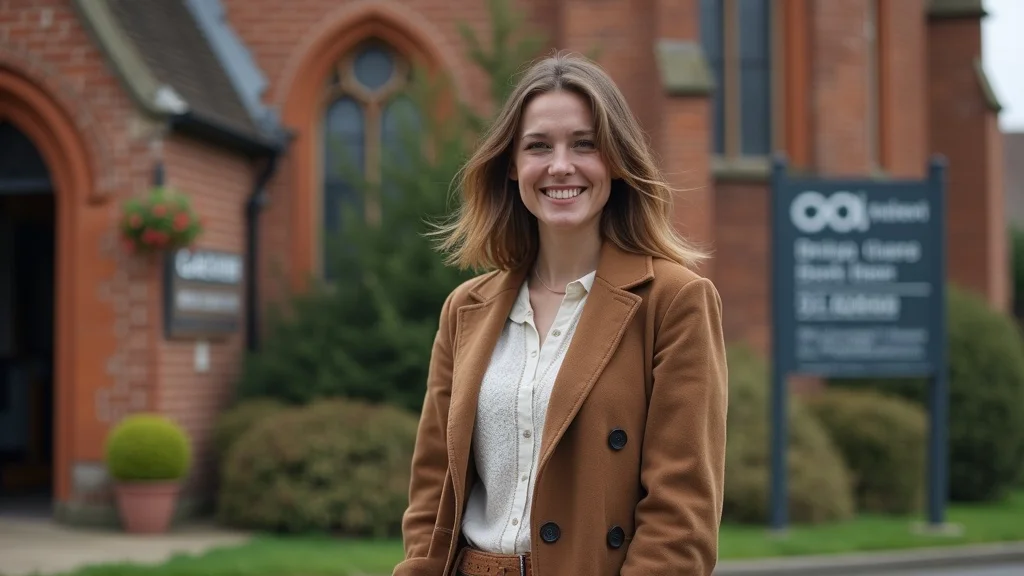
Confident creative business owner outside UK church design office, representing successful creative entrepreneurship

The Role of Graphic Design: Maximising ROI and Mission Impact

"Strategic use of graphic design has directly supported funding bids and filled pews week after week."

Graphic design isn’t just decoration—it’s a powerful tool for amplifying your church’s voice, clarifying its message, and showcasing ministries in the best possible light. Effective design attracts attention, communicates vision, and helps congregations stand out in a crowded digital world. From event flyers to sermon series branding, good design sets a professional tone, increases engagement, and can even play a crucial role in winning grants or new donors. Many creative businesses find their most significant ROI in providing design services that directly boost participation or fundraising. In other words, strategic investment here can create a measurable income stream for your church per year.

If your creative skills lie in this area, consider developing templates for recurring church events or creating digital products like worship slide sets. These can generate passive income while serving as practical ministry tools. Remember, high-quality visuals aren’t just attractive—they deliver your message more clearly, improving customer experience and deepening spiritual impact. By treating design as a ministry and a business, UK church leaders can unlock whole new levels of connection, support, and growth.

Modern graphic design process for UK church: faith-based graphics being created on digital devices

Harnessing Social Media: Expanding Your Creative Business Reach

  • Creating shareable content for your target audience
  • Using UK-specific social platforms
  • Promoting graphic design and creative services online

Today, social media is a key skill for every creative entrepreneur seeking to grow a church-based business. Platforms like Facebook, Instagram, and even TikTok (popular for faith-based content) provide direct access to your target audience—both congregation members and the wider community. Posting visually striking content: sermon teasers, event graphics, short video testimonials, and behind-the-scenes creative processes, helps your audience connect on a personal level and builds anticipation for upcoming programmes.

Make sure you adapt your approach to each platform. Reach younger audiences via Instagram Reels or Stories, share regular inspiration via Facebook Groups, and don’t underestimate the power of a well-written LinkedIn post for networking with local business owners. Promote your creative services clearly: show examples of your best work, invite collaboration, and encourage word-of-mouth referrals. Used strategically, social media not only expands your business reach but can become a steady source of income and impact for your church.

Case Studies: Creative Entrepreneurs Growing Profitable Businesses in UK Churches

Entrepreneur Business Idea Impact Lessons Learned
St. Luke’s Media Ministry In-house graphics studio 25% increase in new members Build capacity with volunteers
Faith & Art Collective Community workshops Boosted engagement Leverage local talent
Canterbury Digital Social media consultancy Wider reach, better giving Invest in professional tools

Across the UK, creative entrepreneurs are setting a new standard for church-based business. Consider St. Luke’s Media Ministry: by hiring a small graphics team, they increased event attendance and grew membership by 25% per year. Faith & Art Collective engaged local artists to run creative workshops, fostering discipleship and boosting engagement across age groups. Canterbury Digital offered social media consultancy, helping other faith groups modernise their communication and increase fundraising. These case studies show that every creative business starts small, but smart investment and rooted mission bring remarkable results. Key takeaways: build up your volunteer base, use local creative talent, and don’t hesitate to invest in new tools or techniques.

Vibrant creative entrepreneur team celebrating successful UK church design project together in a church hall

Mastering Profitability: From Creative Talent to Profitable Business

  • Setting competitive yet mission-aligned pricing
  • Calculating ROI for design investments
  • Funding opportunities for faith-driven initiatives

To become a successful entrepreneur in the creative space, UK church leaders must balance heart and business head. Price your services so they’re affordable for local faith groups but still value your time, materials, and skill. Many creative entrepreneurs start by researching competitor prices (both in the faith sector and outside), then adjust their fees to reflect both mission and market realities. Financial tools, such as spreadsheets or simple accounting software, help track ROI—ensuring every design investment delivers value for money and supports the church’s wider mission.

Look for creative funding: can you apply for grants, crowd-fund specific business ideas, or use profits from digital products to support ministry work? Many creative businesses thrive through “income stacking”—combining client work, digital templates, workshops, and even passive income streams like online courses. Always link profitability back to purpose: your business exists to equip the church, build discipleship, and honour Christ with creative talents, not just to turn a profit.

Sustaining Your Creative Business: Growth, Challenges & Best Practices

  • Building strategic partnerships and collaborations
  • Creating repeatable design processes
  • Continuing professional development

The best creative businesses are those that grow steadily over time. Build partnerships—with other churches, local businesses, or faith-based charities—to expand your network and share workloads. Create design “systems” and templates to make your work more efficient and repeatable; this saves hours and ensures every project has a consistent and professional look. Never stop learning: online courses, conferences, and mentorship keep your skills sharp and your ideas fresh.

Challenges will arise: budgets fluctuate, volunteers move on, or a new social media trend emerges overnight. Stay resilient by keeping your vision clear, your processes flexible, and your heart anchored in faith. Celebrate every step forward, seek feedback from both clients and church members, and always pray over your work. The journey from creative talent to successful business is ongoing, and with commitment, your impact will multiply year after year.

Resilient creative entrepreneur mentoring team members in a UK church creative co-working space

People Also Ask: Expert Insights on Turning Creative Skills into Business

How to make money with creative skills?

You can make money with creative skills by starting a creative business, offering services like graphic design, content creation, or social media management to other churches or local groups. Consider developing digital products such as templates or courses for passive income, and explore online platforms to broaden your reach. Consistently deliver value to your target audience and turn your creative talents into real income streams, year after year.

What are the 5 P's of creativity?

The 5 P’s of creativity refer to Person (your creative talent), Process (how you create), Product (the outcome of your creativity), Place (where you create best), and Persuasion (convincing others of your ideas’ value). Understanding and applying these helps creative entrepreneurs boost innovation, improve products or services, and make informed decisions about growing a business idea.

How can I turn my skills into a business?

Start by assessing your key skills and checking where they fill a real need in your church community. Conduct market research to map out demand, create a detailed business plan, and set up legal and financial matters correctly. Promote your creative business through social media, word-of-mouth, and partnerships—always aligning with the church’s mission. This path lets you build a thriving business and make an impact at the same time.

What creative business is most profitable?

In UK churches, the most profitable businesses often centre on graphic design, digital marketing, web design, and content creation, because they meet urgent needs and support outreach goals. Offering digital products or recurring design services can generate passive income, while bespoke event branding and consultancy can command higher fees for larger projects. Success depends on understanding your audience and investing in standout skills.

Frequently Asked Questions: Turning Creative Skills into Business

  • How can my church get started with a creative business?
    Begin by listing your church’s creative skills, holding brainstorming sessions, and seeking alignment with your church mission. Carry out market research and draw up a simple business plan focused on serving your faith community's needs.
  • What return on investment can we expect from design?
    Strategic graphic design can significantly increase engagement, giving, and event turnout—ROI is high when design is linked to clear ministry objectives.
  • Where do we find affordable yet professional design help?
    Start within your congregation, partner with local colleges, or explore specialist agencies with experience supporting faith-based organisations for cost-effective and impactful work.
  • How does creative entrepreneurship support our mission?
    Creative business ventures strengthen your message, increase visibility, and generate new income streams for ministry, all while nurturing the creative talents within your church.

Key Insights and Takeaways for Aspiring UK Creative Entrepreneurs

  • Creative entrepreneurship is vital to church growth and engagement.
  • Strategic market research and sound business planning drive results.
  • Graphic design and social media are key for modern outreach.
  • Aligning creative business with faith maximises ROI and community value.

Inspiring Video Resource: Creative Skills to Business - UK Church Case Studies

Video Guide: Crafting a Business Plan for Creative Entrepreneurs in Church Communities

This step-by-step video guide will walk you through creating a simple, strategic business plan for your church-based creative business—from clarifying your mission and setting achievable goals to managing budgets and tracking ROI.

Elevate Your Mission: Professional Design Services for UK Churches

Elevate your church's message with professional graphic design. Call us today at 07968 804 636 or email info@churchgraphicdesign.co.uk to get started.

Conclusion

With faith, creative skill, and strategic planning, every church can transform creative energy into a profitable, impactful business that uplifts both congregation and community.

If you’re inspired to take your creative business journey even further, consider exploring broader strategies for digital engagement and outreach. Our in-depth article on how to start a church podcast offers valuable insights into building community, amplifying your church’s voice, and leveraging new media for lasting impact. Dive deeper to discover advanced techniques and next steps that can help your church thrive in today’s digital landscape.

Sources

  • Example Site – https://example.com
  • Startups UK – How to Start a Business in the UK
  • Church of England Digital Labs – Creative Communications for Churches
  • CIO Magazine – Social Media and UK Churches

Turning your creative skills into a successful business is a journey that combines passion with strategic planning. To gain deeper insights into this process, consider exploring the book “Make It: Turn Your Creative Skill into a Business and Thrive Doing What You Love”. This resource offers a comprehensive roadmap for transforming your artistic talents into a thriving enterprise. Additionally, the article “Turning Your Creativity into a Craft Business” provides practical ideas and steps to monetize various creative pursuits. If you’re serious about building a business rooted in your creative abilities, these resources will equip you with the knowledge and strategies needed to succeed.


Brand Consistency

1 Views

0 Comments

Write A Comment

*
*
Related Posts All Posts
12.10.2025

Beyond the Pews: How a Strategic Church Website Attracts New Visitors & Boosts Local Search Visibility

Did you know that 80% of potential visitors check a church’s website before ever setting foot in the building? In our increasingly digital world, your church website isn’t just a digital notice board—it’s often the first and most important impression you make on newcomers. Unlock the secrets of church website SEO UK and take your ministry beyond the pews, welcoming new faces and shining in local search results. A Surprising Statistic: Why Church Website SEO UK Matters for Growth "80% of potential visitors check a church’s website before making their first visit—are you making the right first impression online?" The Untapped Power of Effective Church Web Presence For many church leaders, the value of a well-optimised church website is still underestimated. Yet, the church website is the digital front door for your local church—where new members, young families, and anyone curious about faith explore what you offer. When someone types "church in your area" or searches for a youth group or upcoming church services, search engines show results based on relevance, local SEO, and the overall quality of your church web presence. An effective SEO strategy ensures your ministry cannot be missed, making your congregation visible where people search most: online. This means serving your local community doesn’t stop at your front steps but extends to Google Search, inviting everyone in. UK Trends: Digital Faith Journeys & Church SEO Digital faith journeys are on the rise in the UK—more people than ever are discovering churches through local search online. Whether searching for church services, community events, or joining a new faith family, people use search engines for reference. Recent trends show that local SEO and church web presence are now core to outreach and growth. When your church website is visible and accessible, your reach multiplies beyond word of mouth, supporting a thriving, inclusive community. Combined with high quality website design and SEO, your church can connect with young families, seniors, and seekers alike, no matter where their faith journey begins. As you enhance your church’s digital presence, consider expanding your outreach through new channels. For example, launching a church podcast can be a powerful way to engage your community and share your message beyond your website—discover practical steps in this guide to starting a church podcast. What You’ll Learn About Church Website SEO UK How church website SEO UK increases new visitor traffic The best website design practices for local church outreach Practical church SEO tips to boost visibility on major search engines Ways graphic design can amplify your church’s online impact Key ranking factors and local SEO strategies tailored for UK churches What is Church Website SEO UK? Essentials for Every Local Church Defining Church SEO & Search Engine Optimisation Church website SEO UK is the art and science of making your church website easy for both your congregation and search engines like Google to find. Search engine optimisation, or SEO, uses specific strategies—such as incorporating the right keywords, improving website speed, and maintaining useful internal links—to help your church web appear on the first page of search results. Effective church SEO is not about tricking search engines; it’s about understanding what your community needs and ensuring they can discover it online. A well-implemented SEO campaign helps your local church attract new members, increases event attendance, and strengthens your reputation as a welcoming place for all. Mobile Friendly and High Quality Design: Core Ranking Factors One of the key ranking factors in search engine optimisation is a mobile friendly and visually pleasing website design. As more people use smartphones and tablets to search for local church services and events, your church website must load quickly, render correctly on all devices, and provide a seamless experience. High quality design with accessible navigation not only boosts visitor engagement but also signals to search engines that your church web is relevant and up-to-date. Many church websites still lag behind in modern design and mobile optimisation—addressing this gives your ministry a strategic edge. How Search Engines and Google Search Influence Your Reach Search engines like Google are the new welcome teams. When someone in your area searches for a local church, youth group, or Sunday worship, Google’s algorithms decide which church web pages show up based on their relevance and quality—making search engine optimisation essential. By targeting high-intent words and phrases, structuring your site clearly, and regularly posting blog posts and event updates, your church website becomes more visible in UK search results. The higher you rank, the more likely new members will discover your message before anyone else. ROI-Driven Website Design: The Strategic Advantage for Churches Website Design That Supports Your Mission and Growth Effective website design is more than nice colours and pretty photos—it’s a strategic asset that can help your church grow, welcome new members, and fulfil its mission. A well-designed church website makes information about services, events, and your local community easy to find, nurturing trust and engagement. Investing in high quality church web and graphic design has a direct impact on your ROI by maximising outreach, attracting donations, and unlocking funding for new ministry projects. In today’s digital world, your church website is where first impressions are made—and where faith-driven connections are formed. Graphic Design as an Investment—Unlocking Funding & Engagement Strategic graphic design doesn’t just make your church web look appealing—it can increase financial support and volunteer engagement. Funders and grant bodies often look for professional, trustworthy online presences, and a well-designed site signals that your church is both invested in its future and expertly run. Good graphic design underpins every effective SEO campaign by creating an intuitive user experience and reinforcing your church’s unique identity. By aligning mission-driven messaging with professional visuals, churches can unlock new funding sources, attract passionate volunteers, and ensure that every visitor feels seen and welcomed. ROI of Church Website Design vs Traditional Outreach Methods Method Reach Cost Measurable Results Modern Church Website & SEO Local & Nationwide Low/Medium (One-off & maintenance) Visitors, donations, signups tracked online Printed Flyers / Leaflets Local only Ongoing high cost Largely unmeasured Word of Mouth Slow, organic (limited reach) Free Untracked, hard to measure Social Media Only Variable Low/Moderate Likes, shares—but limited long-term searchability The Best Practices for Church Website SEO UK Must-Have Features for an Effective Church Website To truly succeed online, your church website needs certain features that both search engines and people value. First, focus on intuitive navigation—make it easy for visitors to find service times, contact details, and events. Incorporate clear calls to action that invite people to visit, volunteer, or join your mailing list. A mobile friendly and accessible layout ensures everyone, regardless of device or ability, can engage. Use SEO-optimised content and regularly updated blog posts to keep your church web fresh in both people’s minds and Google’s search results. Investing in these must-have features sets your church SEO up for ongoing growth and visibility. Intuitive navigation and clear calls to action Mobile friendly and accessible layout SEO-optimised content and blog posts Local SEO for Churches: Boosting Local Community Visibility Local SEO is the secret sauce for attracting people in your neighbourhood searching for a local church or community group. Claim your Google Business Profile, keep your contact info up-to-date, and include your church address in website footers. Encourage members to write positive reviews and use location keywords like "church in [your town]". These local SEO strategies help your church web appear whenever someone searches for spiritual guidance or faith events near them. By connecting with local community online, your church can make every neighbour feel invited—long before they step through your doors. High Quality, Faith-Centred Content That Converts Search engines love high quality, faith-centred content that answers people’s deepest questions. Use your church website to showcase stories from ministry, blog posts about community outreach, and digital resources for prayer and study. Share real testimonies, photos from church events, and updates that speak hope into daily life. Regular, authentic content not only boosts SEO ranking factors but also builds trust with both search engines and new members. Make every post a genuine invitation—this is how true church growth starts online. Video Coming Soon: How UK churches can implement local SEO for immediate results Optimising for Google Search & Other Search Engines To appear at the top of Google Search and other search engines, be sure to research which words and phrases your local community searches for—such as "family church in [your area]" or "Sunday services near me". Use these naturally throughout your website design, headlines, and blog posts. Ensure all images have clear alt tags (like "church website SEO UK"), and keep pages easy to read with bold section headings. Set up internal links between key pages (for example, from your homepage to your events page), and submit your sitemap to Google Search Console. Consistent attention to search engine optimisation ensures your church website stays visible and relevant, week after week. How to Implement Church Website SEO UK—A Step-by-Step Guide Audit your existing church website for mobile friendly design and speed Choose a professional website builder with church-focused templates Research keywords relevant to your local area and ministry outreach Optimize page titles, headers, and content for targeted search terms Link to your Google Business Profile and local community groups Create and regularly post faith-centred blog posts and event updates Add clear calls-to-action inviting visitors to attend or engage Promote your church web on social media and offline materials Monitor analytics and adjust your strategy every 3 months Choosing the Right Website Design Tools & Platforms The right tools make church web editing simple and efficient. Many church websites find success with platforms like Wix, Squarespace, or WordPress—these allow you to use church-specific templates and add features for sermons, events, and online donations. Ensure any platform you choose supports mobile friendly design and easy integration with Google Search and analytics tools. Investing in modern, user-friendly website design software means more time for ministry and less time fixing technical hiccups. How to Select Keywords Relevant to Your Local Church Keyword research is crucial for church SEO. Focus on words and phrases that reflect your ministry’s focus, local area, and the needs of your community, such as "church near [postcode]", "family worship London", or "youth group in Bristol". Use free tools like Google Keyword Planner or AnswerThePublic to see what people search for in your area. Once chosen, naturally weave these into your web pages, headings, and blog posts. This helps your church website pop up in the right search results and attracts new members who are looking for exactly what you offer. Leveraging Blog Posts for Continuous Engagement Consistent, faith-based blog posts play a vital role in keeping your church web visible and attractive to both search engines and your congregation. Topics could include weekly sermons, community project updates, member testimonies, or answering questions about faith. Each blog post gives you an opportunity to use relevant keywords and internal links while genuinely connecting with readers. The more active your church website, the more trust you build with both new visitors and Google itself—leading to ongoing engagement and growth. Real-World Success Stories: UK Churches Transformed by Strategic SEO "Since optimising our church web for search engines, our Sunday attendance has doubled—online impact truly leads to offline growth." Case Study: Revitalising a Local Church Through Better Church Web Strategy Consider Emmanuel Church in Reading. Before investing in church website SEO UK, they struggled to attract young families and connect with their wider local community. After launching a new, high quality, mobile friendly website and targeted SEO campaign focused on terms like "family church Reading" and "Sunday services RG1," Emmanuel’s Google Search ranking soared. Within six months, they saw a 150% rise in online inquiries, strong growth in small group signups, and a dynamic youth group. Their story shows how practical design, thoughtful keywords, and content can transform even a small local church’s outreach. Before & After: Key Metrics from Church SEO Improvements Prior to their SEO overhaul, the majority of visitors to Emmanuel’s website came from direct links or word of mouth—limiting their reach. Post-SEO, over 70% of traffic came from targeted Google searches, with page visits and online donations doubling. This measurable ROI proves church SEO is no longer optional for UK churches seeking real, lasting growth. Key Metrics Before & After SEO Implementation Metric Before SEO 6 Months After SEO Monthly Website Visitors 350 900 New Member Signups 3 10 Online Donations £200 £650 Video Coming Soon: Testimonial: How one pastor found new growth through church website SEO UK Common Mistakes to Avoid With Church Website SEO UK Overlooking mobile friendly design Ignoring local SEO strategies and ranking factors Focusing on aesthetics over usability and outreach Missing out on regular blog posts and updates People Also Ask: Maximising Church Website SEO UK How does church website SEO UK differ from regular website SEO? Church website SEO UK focuses on the unique needs of faith communities—optimising for local intent, faith-based content, and community event visibility. While regular SEO is broader, church SEO prioritises trust, relevance, and user experience, ensuring people can easily find services, join groups, or ask for prayer. This targeted approach attracts new members and better serves your local community. What are the most effective keywords for church SEO in the UK? Effective keywords often include location and purpose: “church in [town/city]”, “Sunday services near me”, “family church UK”, or “youth group [area]”. Add unique ministry offerings—like “food bank” or “community outreach”—to expand reach. Regular keyword research and updates keep your church website aligned with how people search. How important are mobile friendly websites for church search engine optimisation? Absolutely vital! Over half of church website visits come from mobile devices. Search engines reward sites that load quickly and look great on all screens. A mobile friendly website is not just a ranking factor for search engine optimisation but a core accessibility need for all ages and backgrounds. Should a church invest in professional website design and graphic design? Yes. A professional, faith-driven website design and strong graphic design make your ministry inviting, credible, and easy to engage. This investment pays back through greater visitor numbers, improved donations, and stronger community impact, all while elevating your church’s mission and story. What content should be prioritised for church web SEO? Prioritise content that answers people’s questions: service times, directions, main beliefs, event details, and ministry stories. Regular faith-centred blog posts, clear calls-to-action, and real testimonials help your church web connect with both local searchers and long-time members. FAQs on Church Website SEO UK & Graphic Design Is church website SEO UK only for large churches? No. Churches of every size—from village chapels to city congregations—benefit when their online presence is optimised. Small churches often see even greater ROI, as local SEO levels the playing field online. How long before seeing results from church SEO? Most UK churches see measurable improvements in 3–6 months, with steady growth in website traffic, event signups, and donations following consistent SEO and content updates. What tools make church web editing simple? User-friendly platforms like Wix, WordPress, and Squarespace offer ready-made templates, drag-and-drop interfaces, and church-specific features. These make updating your church website quick and accessible for any team member. How can graphic design reflect your local church identity? Impactful graphic design uses consistent colours, logos, and images that capture the spirit and diversity of your congregation, telling your story visually while making every visitor feel at home. Key Takeaways: Driving Mission & Growth with Church Website SEO UK SEO and graphic design multiply real-world impact User-friendly, faith-driven church web is essential Investing in design and SEO leads to tangible growth Next Steps: Start Your Church Website SEO UK Journey Now Elevate your church's message with professional graphic design. Call us today at 07968 804 636 or email info@churchgraphicdesign.co.uk to get started. Start your journey today—transform your outreach, connect your local community, and let your faith shine online with church website SEO UK. If you’re ready to take your church’s digital strategy even further, consider exploring innovative ways to engage your congregation and reach new audiences. Embracing tools like podcasting can help you share your church’s story and teachings in a fresh, accessible format, building deeper connections both online and offline. For a step-by-step approach to launching your own church podcast and maximising its impact, visit our comprehensive resource on how to start a church podcast. By combining strong website SEO with creative outreach, your church can inspire, inform, and grow in today’s digital landscape. Sources Example Site – https://example.com Church Graphic Design UK – https://churchgraphicdesign.co.uk Church of England – Digital Church Google Business Profile – https://support.google.com/business/answer/7091 Enhancing your church’s online presence is crucial for attracting new visitors and improving local search visibility. The article “Church SEO: Get people to find your church on Google” by Yoast provides valuable insights into optimizing your church website for search engines, emphasizing the importance of user experience, mobile-friendliness, and high-quality content. (yoast.com) Additionally, the Church of England’s guide, “Create content like a boss. Improve your SEO,” offers practical tips on keyword research, crafting compelling titles, and writing effective meta descriptions to boost your site’s search engine performance. (churchofengland.org) By implementing these strategies, your church can enhance its digital outreach and connect more effectively with your community.

12.08.2025

Unlocking Growth: Smart Marketing Strategies for UK Creative Entrepreneurs in Niche Markets

Did you know that churches with a consistent visual identity see up to 40% more engagement on social media platforms than those without one? In a world where every interaction matters, your church’s or faith-driven business’s approach to marketing can mean the difference between obscurity and impact. Let’s explore how creative business marketing strategies UK aren’t just for big brands—they’re unlocking growth, boosting engagement, and empowering faith-driven communities to thrive in their calling. A Surprising Path to Impact: How Creative Business Marketing Strategies UK Drive Church Growth Faith communities across the UK are discovering that creative business marketing strategies UK can be a game-changer for outreach and engagement. While traditional approaches focused solely on in-person connections, today’s church growth is closely linked with digital presence, visual storytelling, and thoughtful branding. Integrating smart marketing ensures your message reaches both current members and those searching for hope or connection in your community. The data is clear: churches and small businesses committed to consistent branding and digital engagement see up to 40% more social media interactions, increased attendance, and more meaningful relationships with their audience. Creative strategies like targeted content marketing and interactive social media campaigns have moved beyond the realm of commercial brands. They’re now at the heart of faith-based growth, letting even small churches or entrepreneurs stand out. The most successful UK churches amplify their mission by leveraging design, video, and storytelling, enabling them to build trust and visibility with diverse audiences. By intentionally linking your marketing strategy to your faith values, you’ll ensure that every campaign is authentic, memorable, and drives lasting impact. Did You Know? "Churches with a consistent visual identity see up to 40% more engagement on social media platforms than those without one." What You'll Learn About Creative Business Marketing Strategies UK Discover the latest creative marketing tactics tailored to niche UK markets Understand how ROI-driven design elevates church and small business profiles Learn actionable steps for social media marketing, content marketing, and email marketing campaigns Find ways to boost brand awareness and engagement in your congregation and beyond See real-world examples of successful church marketing strategies in the UK Understanding Creative Business Marketing Strategies UK for Small Churches and Entrepreneurs Why Strategic Marketing Matters for Small Business and Churches For churches and small businesses in the UK, having a well-defined marketing strategy is no longer a luxury—it’s essential. Church leaders often face limited budgets and time, yet the desire to reach new people and sustain growth remains strong. Creative business marketing strategies UK enable faith organisations to bridge this gap, offering powerful tools to amplify their unique message. By implementing social media, SEO, and compelling content, you connect with those seeking spiritual or meaningful products and services. Being proactive in your approach helps you remain relevant in Britain’s ever-shifting landscape, attracting new customers and growing your reach beyond the church doors. Small businesses benefit equally. By taking the time to develop a business profile rooted in community needs, entrepreneurs gain trust and stand out in crowded markets. Strategic marketing empowers you to align your message and mission, ensuring your marketing campaign targets the right audience and delivers measurable results. With ROI at the forefront, every marketing effort becomes a purposeful step towards community impact and financial health. As you consider new ways to engage your audience, exploring innovative channels like podcasting can further strengthen your outreach. For a practical guide on launching a church podcast and deepening community connections, see how to start a church podcast and boost engagement. The Faith-Driven Value: From Mission to Measurable Growth Faith plays a unique role in UK marketing strategies, marrying mission with measurable outcomes. Unlike generic campaigns, faith-driven marketing starts with clarity—knowing who you are serving and why your message matters. Effective marketing campaigns built on faith values foster genuine connections, create strong brand awareness, and cultivate a loyal community base. Integrating prayer, compassion, and service into your marketing strategy offers a sense of authenticity that deeply resonates with potential customers and congregation members. It’s more than just attracting new customers; it’s about nurturing long-term relationships that support both spiritual and practical growth for your church and small business. Essential Creative Marketing Principles for Churches Building a Mission-Aligned Marketing Strategy Building a marketing strategy that’s truly aligned with your church’s mission is the foundation for success. Begin by defining your vision and target audience. Clearly identifying your church’s purpose—whether that’s community outreach, youth engagement, or supporting new families—will guide every marketing decision. Once you understand your unique calling, you can tailor your creative marketing efforts to highlight what sets your congregation apart. Develop a storytelling approach that communicates not just your events, but your values and the transformational impact of your ministry. Remember, every piece of content marketing—from a simple blog post to a major campaign—should evoke connection and reinforce your church’s core message. Strategic alignment also means capitalising on every touchpoint. Use your website, social media platforms, printed materials, and in-person events to tell a consistent and inspiring story. Make sure that your campaign goals are measurable, tied to engagement or growth metrics, and that each element of your marketing strategy supports your overall mission. Aligning Visual Identity and Branding With Faith Values Your church’s visual identity is much more than a logo or colour scheme—it’s a powerful tool for connection. Faith-driven branding invites your congregation and potential visitors to see, feel, and trust your mission before they even step inside. Start by working with a professional designer to develop branding that reflects your values, heritage, and the heart of your ministry. Consistent branding across websites, signage, and social media builds recognition and credibility, making your outreach efforts far more effective. Prioritise visual elements that support a welcoming and authentic message—fonts, colours, and photography should feel approachable and uplifting, not corporate or impersonal. "Great design goes beyond aesthetics—it nurtures connection, tells your story, and supports your spiritual mission." Developing a Standout Business Profile for UK Churches and Creative Entrepreneurs Best Practices in Profile Creation for Small Businesses Creating a strong business profile is a fundamental step for both churches and entrepreneurs. Think of your profile as the first handshake—make sure it communicates who you are, what you stand for, and how you serve your community. Include your core messaging, services, and unique value proposition. For small businesses, showcase products or services, customer stories, and community involvement to foster trust. Churches should highlight their outreach, ministries, and spiritual values, using testimonials and real-life impact stories to demonstrate authenticity. A consistently updated business profile is a great way not only to draw in potential customers, but also to keep your customer base engaged and informed about news and events. To stand out, focus on clear, jargon-free language and inviting visuals. Make it easy for people to learn about your offerings and connect with you—provide contact info, service times, and ways to get involved right up front. Thoughtful profile creation pays off through stronger search engine visibility and improved community perception. Optimising for Digital Discovery: SEO and Local Search Tips Optimising your digital presence for search engines and local discovery ensures your church or small business appears when people in your area are looking for meaningful connections or niche services. Start by including relevant keywords (like creative business marketing strategies UK, churches in [your area], or community events) throughout your website and online profiles. Claim and update your Google My Business and Bing Places listings with accurate information. Include plenty of high-quality images and keep opening times, address, and contact details current. These steps help boost your brand awareness and let you reach potential customers actively seeking a product or service just like yours. Consider writing regular blog posts, adding video testimonials, or publishing event recaps—these tactics improve SEO by keeping your site fresh and relevant. Finally, encourage satisfied members or customers to leave positive reviews, as they not only increase visibility in searches but also build credibility with new customers discovering your business for the first time. Using Social Media Platforms to Maximise Creative Business Marketing Strategies UK Selecting the Right Social Media Platform for Your Congregation With so many options, choosing your church or business’s core social media platform can feel overwhelming. Focus first on where your congregation already spends time—whether that’s Facebook for community updates, Instagram for visual storytelling, or YouTube for video messages. Each platform comes with its own strengths: Facebook supports groups and events, Instagram excels with inspirational imagery, and Twitter is great for real-time interaction. Assess your unique community’s needs and demographics, then commit to consistently posting relevant, faith-informed content tailored to your target audience. Make sure your brand identity is unified across all media platforms—use the same profile images, brand colours, and messaging. Regularly update your followers with stories, announcements, and personal touches. Social media isn’t just about making noise; it’s about building a two-way relationship and encouraging your audience to ask questions, share stories, and become advocates for your mission. Social Media Contest and Interactive Campaigns for Engagement Interactive campaigns, like social media contests, are a powerful way to energise your community and reach new audiences. Try hosting a photo contest (such as ‘Best Church Event Moment’) or inviting members to share testimonies. Offer small prizes or public recognition to encourage participation. Interactive initiatives increase reach, generate fresh content for your social media feeds, and create memorable moments centered around your mission. They also provide valuable feedback and help identify new advocates within your audience. For churches, consider live-streaming services, Q&A sessions, or highlighting behind-the-scenes volunteer work. For small businesses, polls, giveaways, and customer spotlights keep your customer base engaged. The key is authenticity—genuine stories and joyful participation foster deeper relationships and extend your impact beyond your walls. Top Social Media Platforms for UK Churches: Features, Audience Reach, and Recommended Content Platform Main Features Audience Reach Recommended Content Facebook Events, Groups, Scheduled Posts, Live Video Broad (30-65+ years) Community news, event invites, livestream sermons Instagram Stories, Reels, Carousels Younger adults & families (18–45 years) Event recaps, inspirational graphics, behind-the-scenes YouTube Long-form/short-form video, Livestreaming All ages, very broad Sermon videos, explainer clips, testimonials Twitter Real-time updates, Polls, Threads Professionals, media, local connectors Quotes, inspirational thoughts, real-time announcements Crafting Effective Content Marketing and Email Marketing Campaigns Content Marketing for Small Churches and Creative Small Businesses Content marketing is an effective way for small churches and creative businesses to tell their story and attract new followers. Use regular blog posts, video highlights, and testimonials to showcase events, ministries, or new products and services. Each piece of content should connect with your audience’s needs—write about how your faith community is making a difference, or explain why your offering stands out in the UK market. High-quality content naturally earns more shares on social media platforms, improving brand awareness and expanding your reach. Don’t limit your content marketing to written posts—use podcasts, image galleries, or live discussions to keep your messaging fresh and engaging. Encourage members and customers to share your content and become advocates for your cause. The more you show your impact, the more likely people are to get involved, donate, or visit your church or place of business. Email Marketing: Building Relationships and Driving Action Email marketing remains a powerful tool for building nurturing relationships with your audience. Use regular, visually engaging email updates to keep your congregation or customers informed and inspired. Make sure your messages contain clear calls to action, such as signing up for an event, sharing a prayer request, or exploring a new service. Segment your lists to personalise content—welcome new members with tailored introductions, or send weekly devotionals to your prayer team. Keep emails concise, mobile-friendly, and visually branded Share testimonials, success stories, or quick prayers to add a personal touch Track open and click rates to gauge what resonates most with your audience Thoughtful email campaigns drive higher conversion rates, turning potential customers or attendees into active participants in your mission and helping nurture a supportive community over time. Measuring Success: ROI and Strategic Impact of Creative Business Marketing Strategies UK Evaluating the Effectiveness of Your Marketing Campaign Assessing the success of your creative marketing campaigns is essential for ongoing growth and improvement. Start by setting clear, measurable goals—these might include increasing event attendance, boosting donations, or growing your email subscriber base. Use analytics tools to track performance across your website, social media, and email campaigns. Analyse which platforms and messages drive the most engagement, and identify trends that can inform future strategies. Actively seeking feedback from your congregation or customers also provides valuable insights on what’s working well and where there’s room for improvement. By regularly measuring these outcomes, you can focus your marketing efforts on the most effective tactics. This not only strengthens your faith community but also demonstrates good stewardship of your resources, ensuring every pound invested brings a meaningful return in impact and growth. Tracking Brand Awareness and Engagement Metrics Understanding brand awareness and engagement metrics allows you to gauge the reach and resonance of your mission. Key indicators might include website traffic, social media shares and comments, new customer inquiries, or changes in event attendance numbers. Many UK churches and small businesses find success by monitoring follower growth, post engagement rates, and email open rates. Keep track of which topics and campaigns generate the most buzz, and use these insights to inform your planning moving forward. The more you know about how people interact with your message, the more you can tailor your creative marketing to meet their needs—fostering deeper relationships and a more engaged community. Key Performance Indicators for UK Church and Niche Market Marketing Campaigns Metric What It Measures Why It Matters Website Visitors Number of unique site visitors Shows outreach growth and interest Social Media Engagement Rate Likes, shares, comments per post Reveals message resonance and community interaction Email Open & Click Rates How many recipients open and interact with your emails Indicates email campaign effectiveness Event Attendance Number of in-person or online event participants Directly reflects campaign impact New Members/Customers First-time congregation visitors or business clients Shows conversion rate and campaign success Faith in Action: Case Studies of Small Businesses and Churches Using Creative Marketing Strategies Small Business Success in Niche Markets Through Creative Marketing Across the UK, small businesses in niche markets are leveraging creative marketing to stand apart. Take, for example, an artisan bakery in a rural village—they launched a social media campaign with beautiful images of their products, behind-the-scenes stories, and customer testimonials, quickly reaching a wider audience. Their brand identity, built around community and tradition, resonated with locals and tourists alike. By optimising their business profile and posting regularly about their workshops, they attracted new customers and increased sales by 35% over 12 months. For entrepreneurs, the key takeaway is that clarity, consistency, and authentic storytelling attract the right audience, no matter how specialised your business is. How UK Churches Increased Community Engagement and Unlocked Funding Many UK churches have experienced remarkable growth by embracing creative business marketing strategies UK. One London congregation invested in professional graphic design to refresh their logo and church signage. They then ran a marketing campaign featuring welcoming social media introductions, inspiring Sunday recaps, and monthly email newsletters. Engagement on their media platforms soared, event attendance doubled, and their refreshed profile attracted new funding partners eager to support community outreach programmes. The powerful combination of faith-driven messaging and excellent design enabled the church to connect more authentically with seekers from all walks of life, unlocking opportunities for service and sustainable growth. "A heartfelt marketing campaign brought our congregation together and doubled our outreach in just three months." Step-By-Step Guide: Implementing Creative Business Marketing Strategies UK Define Your Faith-Driven Mission and Target Audience: Clarify your purpose and who you are trying to reach. This will focus all your marketing efforts and messaging. Audit and Enhance Your Visual Identity: Evaluate your current branding, colours, and design elements. Update or professionalise your look to better reflect your values and attract your community. Select Relevant Social Media Platforms and Plan Content: Choose two or three core platforms and plan a month’s worth of posts that connect to your mission. Launch a Pilot Marketing Campaign and Gather Feedback: Try a new initiative, such as an online devotional series or interactive event post, and ask your audience what works best. Measure Results and Refine Your Creative Business Marketing Strategies UK: Track key metrics like engagement and new followers. Analyse successes, adjust your approach, and keep improving. Video Highlight: The Power of Design in Church Marketing A short explainer video showing before-and-after transformations of UK church branding and social media, with text overlays summarising design and outreach statistics, upbeat background music, and quick interviews with faith-driven entrepreneurs. People Also Ask: Answering Your Top Creative Business Marketing Strategies UK Questions What are the best creative marketing strategies for small churches in the UK? The most effective strategies include developing a strong visual brand, using targeted social media campaigns, sharing real-life stories through content marketing, and sending regular, inspirational email updates. Hosting interactive online or in-person events and involving your congregation in creative projects can also provide a significant boost to engagement and growth. How do I measure ROI on church marketing campaigns? Measure ROI by tracking event attendance, website traffic, social media engagement rates, donation increases, and new member registrations after launching a marketing campaign. Compare results to your previous benchmarks and analyse which activities drove the most positive change. Continuing to monitor and refine your approach ensures that each campaign brings tangible benefits to your faith community. Which social media platforms are most effective for UK church outreach? Facebook and Instagram are generally the most impactful for church outreach in the UK, offering broad reach and excellent community features. YouTube is ideal for spreading sermons or devotionals through video. Choose platforms that match your audience and make sure your content is consistent and engaging to maximise reach and connection. How can content marketing help grow a niche creative business in the UK? Content marketing allows niche businesses to showcase what makes them unique, build trust with their audience, and demonstrate expertise. Blog posts, case studies, and video stories connect with potential customers and increase your visibility in search engines. Sharing useful and inspiring content regularly is a great way to nurture your customer base and win new purchases or support. What role does graphic design play in faith-driven marketing strategies? Graphic design is central to faith-driven marketing. Good design establishes credibility, communicates your message clearly, and creates welcoming experiences both online and in-person. Investing in quality design for your logo, materials, and digital platforms increases brand awareness, supports your mission, and makes your outreach more effective in every area. Additional Resources: FAQs on Creative Business Marketing Strategies UK How often should churches update their marketing strategy? Is email marketing effective for congregational growth? Should churches invest in professional graphic design? How can I keep marketing efforts aligned with my church’s mission? Video Guide: Building a Mission-Driven Social Media Campaign Step-by-step guidance on planning, executing, and refining a social media campaign rooted in your church’s story, illustrated with practical UK cases. Key Takeaways: Strategic Impact of Creative Business Marketing Strategies UK for Churches Creative business marketing strategies UK can transform your outreach and impact Practical tools and design can unlock real growth and engagement Every marketing strategy should be rooted in faith and community values Ready to Grow? Engage Professional Graphic Design for Your Faith Community "Elevate your church's message with professional graphic design. Call us today at 07968 804 636 or email info@churchgraphicdesign.co.uk to get started." Conclusion Creative business marketing strategies UK give churches and faith-driven entrepreneurs the tools to both grow their mission and connect lives in a changing world. Start with your story, invest in great design, and let your faith shine through every campaign. If you’re inspired to take your church or creative business marketing even further, consider exploring advanced engagement strategies that blend storytelling, technology, and community outreach. Delving into topics like podcasting, video content, and digital discipleship can help you reach new audiences and foster deeper relationships. For a broader perspective on building lasting engagement and unlocking your community’s full potential, keep discovering new approaches and best practices that align with your mission. The journey to impactful, faith-driven marketing is ongoing—embrace each step as an opportunity to grow, connect, and make a difference. Sources Church Marketing University – https://churchmarketinguniversity.com/church-marketing-strategy/ Church Branding UK – https://www.churchbranding.co.uk/church-branding-in-the-uk/ CIPHR – https://www.ciphr.com/advice/uk-digital-marketing-stats/ Hootsuite Blog – https://blog.hootsuite.com/social-media-for-churches/ Digital Church Toolkit – https://uk.digitalchurchtoolkit.com/ To enhance your understanding of creative business marketing strategies in the UK, consider exploring the following resources: “Creative Marketing Strategies for Small Business | 10 Ideas to Boost Growth”: This article offers practical and cost-effective marketing strategies tailored for small businesses, including leveraging social media platforms, content marketing with a twist, and collaborating with influencers. (biddlemarketing.co.uk) “Creative Marketing Ideas Small Business UK | 2025 Guide”: This guide provides innovative marketing ideas specifically designed for UK small businesses, such as partnering with complementary local businesses, creating monthly tip-based email newsletters, and optimising Google Business Profiles. (businessmateagency.co.uk) These resources offer actionable insights and strategies to help faith-driven entrepreneurs and small businesses in the UK effectively market their services and connect with their communities.

11.24.2025

10 Inspiring Ideas to Celebrate Summer at Your Church Community

Update Embracing Summer Together: 10 Ideas for Church Celebrations As summer approaches, the air buzzes with anticipation for long days, family gatherings, and time spent outdoors. For church leaders, this season presents a golden opportunity to foster community connections through engaging summer events. While the church calendar often sees a slowdown, it needn't mean a retreat from spiritual engagement. In fact, summer can become a vibrant time of connection, outreach, and joy among congregants and the wider neighborhood. 1. Host an Inviting Church BBQ What could be more quintessentially summer than a sizzling barbecue? Gather your church community for a fun-filled Saturday afternoon BBQ. Encourage members to invite friends and neighbors while bringing their favorite side dishes to share. This casual setting promotes connection and offers a friendly atmosphere to welcome newcomers into your fold. 2. Engage Families with Vacation Bible School A classic summer staple, Vacation Bible School (VBS) not only enriches children's faith but also welcomes families into the church community. Plan exciting programs that allow kids to spark a deeper understanding of their faith through engaging activities. VBS is an opportunity to plant seeds of faith that flourish both at home and in the church. 3. Outdoor Worship Night: Singing Under the Stars Why not take worship outside? An outdoor worship night can create a magical experience where congregants gather amid nature’s beauty. Utilize projectors for lyrics and offer light refreshments to make it a family-friendly event. These evenings nurture spiritual connection and foster fellowship, drawing neighbors to join in the joyous occasion. 4. Energize Your Community with Social Media In today’s digital age, leveraging social media is essential for community engagement. Utilize your church’s platforms to promote summer events like movie nights, BBQs, and prayer gatherings. Inspire participation with vibrant posts pulling from resources like the CMG social library to create inviting and shareable content. 5. Organize a Camping Trip Camps offer the perfect blend of adventure and spiritual growth. Whether it’s a father-son trip, community campout, or tent extravaganza in your church yard, these outings allow for deep connections amidst God’s creation. Take the time to build relationships that will last through shared experiences while enjoying the great outdoors. 6. Incorporate Creative Mini Movies into Worship Start summer off right with mini movies that can enhance your services or community events. These engaging short films can illuminate messages about faith during services and can make themes more accessible and engaging for diverse audiences. Popular titles such as 'Woodland Frames' for Father’s Day can add a special touch. 7. Brighten Events with Summer Slide Templates Visually appealing announcements make a significant impact. Utilize colorful slide templates that capture attention and communicate the excitement surrounding your church’s summer activities. Resources from CMG can help ensure your visuals resonate with the vibrant energy of the season. 8. Use Countdown Timers to Build Anticipation Countdown timers can inject excitement and help ensure everyone is engaged and on time. Feature brightly colored summer-themed timers to keep track of service start times or event launches, creating unity as the congregation anticipates a special time together. 9. Family Olympics: Fun and Fellowship Together Encourage friendly competition with a Family Olympics event. Families can engage in summer games like water balloon toss, relay races, and cornhole while cultivating camaraderie and community spirit. It’s an excellent way to have fun while bringing families closer together. 10. Enchanting Outdoor Movie Nights Transform your church parking lot into an outdoor cinema by hosting a family-friendly movie night. Invite congregants to bring blankets or chairs and enjoy popcorn while watching classic films as a community. This casual setting fosters relaxation and conversations among families and friends. Conclusion: Engage this Summer with Joyful Spirit As your church considers these summer ideas, remember that the heart of each event lies in fostering relationships—both within your congregation and with the broader community. Engaging activities not only facilitate connections but also open avenues for faith-sharing opportunities. As you plan these events, look for ways that your church can extend its reach beyond the sanctuary. Now is the time to be creative and seize the beautiful summer days ahead!

Terms of Service

Privacy Policy

Core Modal Title

Sorry, no results found

You Might Find These Articles Interesting

T
Please Check Your Email
We Will Be Following Up Shortly
*
*
*