
Did you know? 85% of UK churches say stakeholder engagement lacked clarity during an identity redesign—yet 70% credit brand refreshes with revived outreach
Revealing the Realities: Why Church Branding Stakeholder Management UK Matters More Than Ever
"85% of UK churches say stakeholder engagement lacked clarity during an identity redesign—yet 70% credit brand refreshes with revived outreach."
- Unpack the latest data showing the link between effective stakeholder management and successful church brand initiatives
Across the UK, churches—from historic cathedrals to modern community hubs—face new branding challenges. Research highlights how churches that invested in transparent stakeholder engagement saw measurable improvements in brand awareness, outreach, and trust. This isn’t just about a new logo or shiny visual identity; it’s about connecting people to shared values and purpose. Stakeholder engagement plays a vital role, ensuring everyone, from the safeguarding team to lay volunteers, feels heard and part of the church brand journey. Leaders who prioritise engagement and communications report higher success rates and stronger community ties, making this the first step for any effective project management process.

What You'll Learn in This Guide to Church Branding Stakeholder Management UK
- How to balance faith, tradition, and modern branding needs
- Techniques for effective stakeholder engagement and communications
- Best practice tips to navigate the UK’s unique church landscape
- Proven strategies for ROI and sustained mission impact
Understanding the Core: Stakeholder Engagement in Church Branding Stakeholder Management UK
Defining Stakeholders: Who Are They in Your Church Brand Journey?

Stakeholders are anyone with a stake in your church’s future and identity. Beyond church leaders, this includes members, clergy, safeguarding team, volunteers, neighbours, partner charities, and even those you wish to reach but haven’t yet—each plays a vital role. A successful church brand doesn’t happen in isolation; it’s the sum of every person’s hopes, insights, and experiences. In the UK, where faith communities are wonderfully diverse, mapping these voices ensures your brand guide and messages reflect what truly matters. By including a cross-section of perspectives, your new brand will speak with authenticity, helping people feel invested and included from the first step.
As you consider the many ways to involve your congregation and wider community, it’s worth exploring how digital channels can amplify engagement. For example, launching a church podcast can be a practical way to foster ongoing dialogue and share your brand’s evolving story—discover actionable steps in this guide to starting a church podcast, which offers insights on building connection through modern media.
The Role of Stakeholder Engagement and Communications in Mission Success
"Stakeholder engagement isn't a box-ticking exercise—it’s a Gospel imperative to communicate truth with love." — Anonymous UK Church Leader
Stakeholder engagement and communications go well beyond project management checklists. In faith contexts, it’s tied to stewardship and loving outreach. Engaged stakeholders help clarify your church of England or independent community’s mission and become brand ambassadors, helping to extend your reach both in person and online. This nurturing approach to engagement and communications ensures the church brand not only looks “new” on the outside, but resonates from within. Communications managers who steward this process report a stronger brand identity, improved user experience, and greater unity across generations and ministries—key to thriving in a rapidly changing UK landscape.
The Unique Landscape of Church Branding Stakeholder Management in the UK
UK Church Brand: Navigating Heritage and Modernity
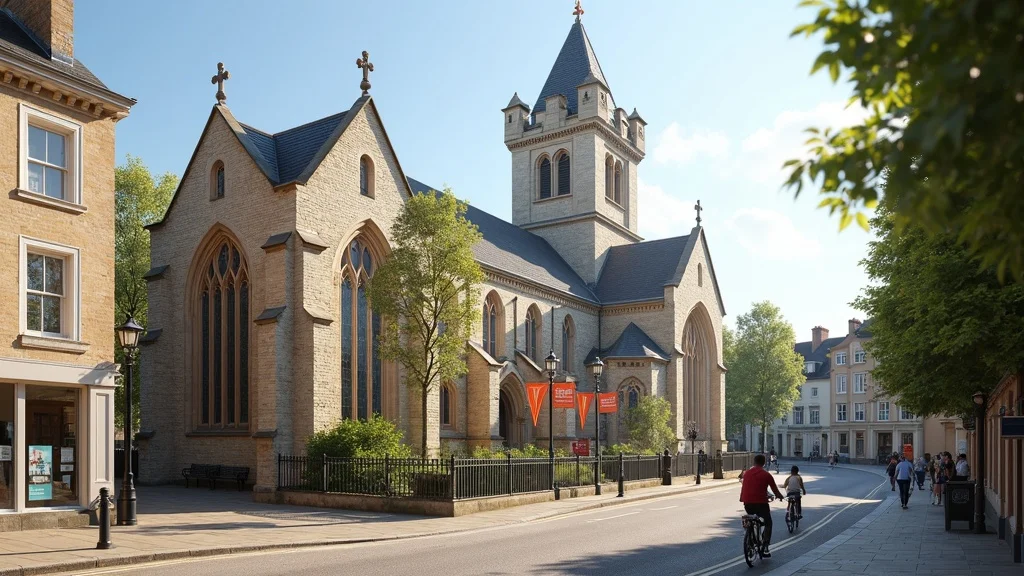
British churches are uniquely positioned at the crossroads of tradition and change. The visual identity of a centuries-old stone building can feel worlds apart from digital-first communications. Yet, effective church branding stakeholder management in the UK means weaving these elements together—not erasing history, but building on it. Church leaders who developed a new brand found that respecting heritage while communicating in contemporary, faith-aligned ways helped bridge divides and opened doors to broader engagement. This duality can drive a marketing campaign that appeals across ages. Through stakeholder engagement, you discover how your story, values, and call to mission resonate today, unlocking both legacy and fresh possibility for your church brand.
Engagement and Communications Amid Cultural Change
Cultural shifts in the UK—from increased secularism to the rise of social media—demand clarity and authenticity in your church’s messaging. Stakeholder engagement and communications teams must listen closely to multi-generational voices, facilitating open conversations about fears, hopes, and the changing needs of the church. Whether managing a visual identity refresh or steering a new website launch, leaders must mediate tradition and innovation. This can mean listening sessions, creative workshops, and real-time digital feedback, all coordinated by capable project management. Ultimately, the most resilient church brands are those whose communications grow from grassroots involvement—amplifying faith messages in ways that feel honest, inclusive, and timely.
Best Practices for Stakeholder Engagement in UK Church Branding
Building a Church Brand: Step-by-Step Stakeholder Journey
- Mapping stakeholders
- Establishing shared vision
- Facilitating faith-based workshops
- Transparent feedback cycles
Effective stakeholder management doesn’t happen by accident—it’s a deliberate project management process. The first step is mapping out every individual or group who will be touched by the church brand. Next, invite stakeholders into establishing a shared vision, ensuring diverse voices are heard and respected. Faith-based workshops anchored in values help translate abstract ideas into tangible branding elements—be that a visual identity, new website content, or event strategy. Transparent feedback cycles, with regular checkpoints and honest communication, keep all parties aligned and invested. Following these best practice tips transforms engagement from formality to vibrant collaboration, ensuring your church brand is supported by the whole community.
Social Media: Extending Engagement Channels for UK Churches

Social media now plays a vital role in church branding stakeholder management UK, extending your reach and dialogue beyond Sunday services. With more people accessing church information online or through platforms like Facebook, Instagram, and X, a strong brand presence and clear communications are essential. Communications managers and creative teams must craft faith-aligned social content, share engaging stories, and invite interactive feedback. Involving stakeholders in the creation and management of your marketing campaign or digital assets not only boosts brand awareness but helps people feel a part of your new brand journey. Effective use of social media strengthens your church brand and fosters deeper engagement with both existing members and the wider community.
The Communications Manager’s Toolkit: Leading Stakeholder Engagement in Church Branding Stakeholder Management UK
- Faith-aligned messaging templates
- Communication evaluation checklists
- Sample stakeholder engagement timetables
The communications manager sits at the heart of church branding projects, translating vision into action. Equipped with faith-aligned messaging templates, they can ensure every announcement or campaign speaks authentically to both tradition and innovation. Communication evaluation checklists—tracking things like clarity, inclusivity, and response rates—help refine outreach for maximum impact. Sample stakeholder engagement timetables keep projects moving smoothly; think regular surveys, scheduled listening sessions, and feedback loops that build trust. By leveraging this toolkit, even teams new to project management can navigate the complexities of church brand work. Ultimately, empowering a communications manager or collaborative team helps churches live out their calling with purpose and unity.
Common Challenges in Church Branding Stakeholder Management UK (and How to Solve Them)
Best Practice Solutions to Typical Obstacles
- Navigating resistance to change
- Bridging generational divides
- Addressing budget & resource concerns

Every church branding stakeholder management UK project faces hurdles. Resistance to change is natural—especially in settings where tradition runs deep. The best practice here is open, empathetic dialogue, using workshops and feedback tools to surface concerns and invite constructive input. Bridging generational divides means consciously involving voices young and old, possibly through digital channels or one-on-one conversations. Budget and resource limitations are another common concern: be transparent about constraints, prioritise what delivers deepest impact (like a refreshed visual identity or user-friendly new website), and consider phased approaches. Remember, even small, well-managed steps can lay the groundwork for a strong brand and vibrant mission.
Watch as a UK congregation journeys from vision casting to brand launch, engaging stakeholders every step of the way.
How Church Branding Stakeholder Management UK Drives ROI and Mission Impact
| ROI Metrics for Church Brand Projects | Strategic Impact | Practical Benefit |
|---|---|---|
| Increased attendance | Improved visibility | Enhanced trust |
| Funding growth | Clearer messaging | Deeper engagement |
ROI isn’t just about numbers for churches—it’s about changed lives, strengthened communities, and sustained mission. Churches that embed stakeholder engagement and communications into their branding see measurable returns: higher attendance, greater funding, better brand awareness, and more effective outreach. A strong brand makes it easier to launch initiatives, inspire volunteers, and attract new members. Above all, it reinforces your witness and impact—demonstrating that good design and communication are investments in your calling, not just surface-level upgrades.
Hear directly from experienced leaders as they illustrate how strategic stakeholder engagement transformed their church brands and mission outcomes.
People Also Ask: Church Branding Stakeholder Management UK
How can stakeholder engagement improve a church brand?
- Engaged stakeholders are more likely to become brand ambassadors, help clarify church mission, and foster unity during brand transitions.
When stakeholders are truly involved from the outset, they help shape your church brand’s vision, positioning, and messaging. This unity results in authentic communications and a community that’s ready to champion new initiatives. Stakeholder engagement isn’t a one-time event—it’s the ongoing glue that holds mission and strategy together, especially during times of change.
What are examples of effective stakeholder engagement in church branding?
- Case studies from progressive UK churches show listening sessions, creative workshops, and real-time digital feedback drive success.
Success stories often include a mix of creative co-design sessions (where members sketch logos or brainstorm), surveys or polls to gather feedback on new website elements, and open forums for honest dialogue. These approaches boost buy-in, uncover blind spots, and make your brand launch both exciting and truly representative of your church community.
Expert Quotes: Faith, Design, and Stakeholder Management
"A church’s brand is not just its logo, it's its living witness among its people and the wider community." – UK Christian Communications Expert
"Stakeholder management is a reflection of stewardship; it’s investing wisely in people and vision." – Senior UK Pastor

Key Takeaways: Church Branding Stakeholder Management UK
- Prioritise clear, faith-based engagement and communications
- Recognise stakeholder diversity in UK church contexts
- Strategic stakeholder management enhances both ROI and mission impact
FAQs: Church Branding Stakeholder Management UK
Who should lead stakeholder engagement in a UK church branding project?
- Ideally, a communications manager or a collaborative team including church leaders, creatives, and community reps.
Leadership is key to effective engagement. A dedicated communications manager, supported by a project management framework and active church leader involvement, ensures every voice is valued and aligned with your mission goals. Collaboration is vital, especially in multi-church or ecumenical settings.
What are some pitfalls to avoid during stakeholder engagement?
- Lack of transparency, exclusion of key voices, and ineffective feedback loops are the most common pitfalls.
To avoid these, ensure your process is open, well-communicated, and designed for honest feedback. Guard against silos by regularly updating all stakeholders, welcoming input from less-heard members, and reviewing your engagement plan for inclusion and effectiveness. Ultimately, transparency and trust are what sustain a church brand beyond the launch phase.
Next Steps: Get in Touch for Church Branding Stakeholder Management UK Support
If you're ready to take the next step in your church branding journey, get in touch. Whether you need strategic advice, a new visual identity, or practical project management support, we’d love to hear from churches passionate about mission-driven design and engagement. Let us help you move from vision to vocation—together.
Church branding is just one facet of building a vibrant, connected faith community in the digital age. If you’re looking to deepen your understanding of engagement strategies and discover innovative ways to reach your congregation, exploring topics like launching a church podcast can open new doors for connection and outreach. For a broader perspective on how modern communication tools can support your mission, learn how to start a church podcast and engage your community. Embracing these next steps can help your church not only strengthen its brand, but also foster lasting relationships and spiritual growth in today’s ever-evolving landscape.
Sources
- Church of England – Branding Toolkit
- FaithAction – Church Brand Refresh UK: Best Practices
- Christian Today – Modern Church Branding and Engagement
- Stewardship – Branding for Mission & Growth in UK Churches
- Archbishop of Canterbury – Church Engagement
To deepen your understanding of effective church branding and stakeholder management in the UK, consider exploring the following resources:
-
“Logos & Branding for Churches”: This article discusses the importance of a church’s brand identity and how it reflects the congregation’s values and mission. It emphasizes that branding goes beyond just a logo, encompassing how a church operates both internally and externally. The piece also outlines a strategic approach to developing a church brand that resonates with the community. (plainvision.agency)
-
“Reimagine Your Church Brand and Digital Presence”: This resource highlights the significance of creating a powerful online presence that mirrors a church’s unique mission and values. It showcases examples of churches that have successfully crafted modern, user-friendly websites to engage both local and online communities. (visiontank.co.uk)
If you’re serious about enhancing your church’s branding and stakeholder engagement, these resources offer valuable insights and practical strategies to guide your efforts.





Write A Comment